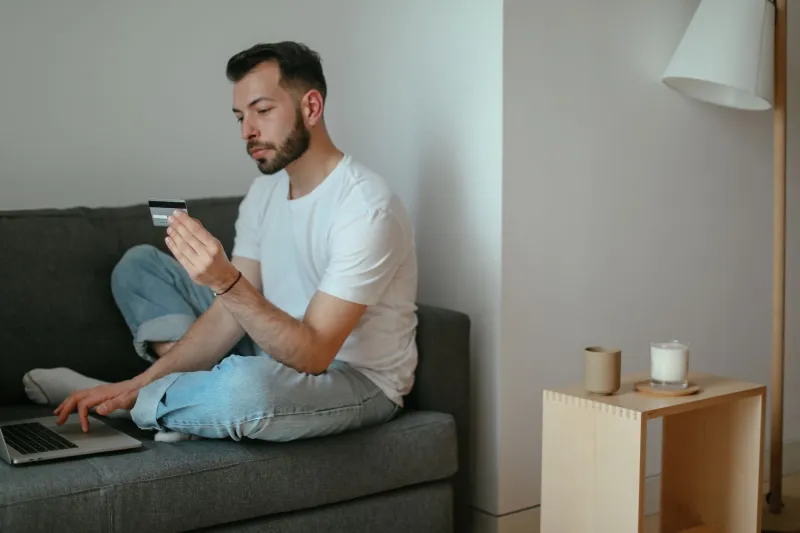
It started so innocently. One Tuesday evening, glass of water in hand, a vague sense of financial responsibility humming in my chest, I opened my laptop with a single mission: cancel one streaming subscription I hadn't touched in four months. Simple. Clean. Adult behavior.
Three weeks later, I had somehow signed up for two additional services and upgraded a third to an ad-free tier. My bank account looked like a crime scene. I had watched approximately six hours of new content across all of them. This is not a success story.
The Moment I Thought I Was Being Responsible
The service I was targeting — let's call it Service A, because honestly it could be any of them — had been sitting on my monthly statement like a quiet little tax I'd stopped questioning. About fourteen bucks. Not devastating on its own, but I'd done that thing where you add up all your subscriptions at once and briefly feel like you need to lie down.
So I logged in. Found the settings. Navigated through what I can only describe as a deliberately disorienting labyrinth of menus — Account, then Billing, then Manage Plan, then a page that asked me if I was sure, then another page that offered me a discounted rate to stay, then a page that listed everything I'd supposedly lose access to, including three shows I'd never seen but suddenly felt deeply attached to.
I paused. I read the list. I thought, wait, is that show actually good? I opened a new tab. I read two reviews. I went back. I clicked cancel anyway.
And then the confirmation email arrived with a link to a "complementary service" I could try free for thirty days.
Reader, I clicked it.
How Streaming Companies Turned Cancellation Into a Sales Funnel
Here's the thing nobody really talks about: the cancel flow is a product. It's designed, tested, and optimized just like the home screen or the autoplay feature. Every "are you sure?" prompt, every discounted retention offer, every guilt-laden list of content you'll lose — that's not a bug, it's an extremely intentional feature.
Streaming companies have entire teams dedicated to what the industry calls "churn reduction." Churn is when subscribers leave. Reducing churn is, apparently, a lot cheaper than acquiring new customers. So the math works out very nicely: make leaving feel costly, confusing, or just slightly more effort than it's worth, and a meaningful percentage of people will just... not leave.
And it's not even that cynical when you look at it from their side. They genuinely do have content you might like. The discount they're offering is real. The free trial is actually free — for now. The problem is that "for now" does a lot of heavy lifting in that sentence.
The Free Trial Trap Is Extremely Old and Still Works Every Time
I know how free trials work. You know how free trials work. Everyone who has ever owned a credit card knows how free trials work. You sign up, you forget, you get charged, you feel vaguely stupid, you either cancel or you rationalize keeping it. This cycle has been running since the Columbia House CD club was mailing people ten CDs for a penny in the nineties.
And yet. The thirty-day free trial I signed up for after canceling Service A? I am currently on day nineteen. I have watched one documentary and half of a limited series I already knew I wasn't going to finish. I have not set a calendar reminder to cancel before the billing date. I am going to get charged.
The second new subscription came from a bundle offer that appeared while I was managing Service B, which I'd logged into to check whether it had a show I'd seen recommended somewhere. The bundle saved me four dollars a month compared to subscribing separately, which is genuinely good math — except I wasn't planning to subscribe separately, so the four dollars I'm "saving" is actually twelve dollars I'm now spending. On something I don't need. Because I briefly felt like I was being smart about money.
The 'Missing Out' Anxiety Is Doing Real Work Here
There's a particular flavor of FOMO that streaming has manufactured that I don't think gets enough attention. It's not the fear of missing a party or a cultural moment exactly — it's more like a low-grade anxiety that somewhere in a content library you're not subscribed to, there is a show that would genuinely change your life, and you will never find it because you made a fiscally responsible decision in 2024.
This is not rational. I know it's not rational. I currently have a watch list on my remaining services that would take me approximately four years to complete at my actual viewing pace. I do not need more content. I need less content and more hours in the day.
But the fear is real enough to influence behavior, which is why streaming companies spend so heavily on prestige content marketing. Every "event series" that dominates the cultural conversation for two weeks is also an advertisement for the platform it lives on. You don't just want to watch the show — you want access to the ecosystem. And ecosystems, once you're inside them, are surprisingly hard to leave.
What I Actually Learned From My Own Credit Card Statement
After the dust settled — after I finally sat down with my actual banking app and made a full list — I was paying for five streaming services, two of which I had not opened in over sixty days. The monthly total was not something I'm going to type here because I have some remaining dignity, but it was more than my electric bill.
I did eventually cancel two of them. For real this time. I used a browser extension that blocks retention pages, which feels both empowering and slightly unhinged, but here we are. I set calendar reminders for the free trial I'm still in. I wrote down a rule: no new subscriptions until something else goes.
Will I stick to it? Honestly, I give it a solid sixty percent chance. Some new platform will launch with exactly the show I've been waiting for and the whole cycle will start again. I know this about myself now. That might be the most useful thing I've gotten out of this entire experience — not savings, not better TV, just a clearer picture of exactly how susceptible I am.
The unsubscribe button exists. It works, technically. But the road to it is paved with very good intentions and extremely clever UX design, and most of us are going to stop at least once along the way to click something we definitely shouldn't.
At least the documentary was pretty good.